wellness
Why Raleigh’s Sleep Is Getting Worse, and What You Can Do About It
From blue-light overload to neighborhood noise, local experts say the city’s wellness culture has a blind spot: shut-eye.
How we reported this
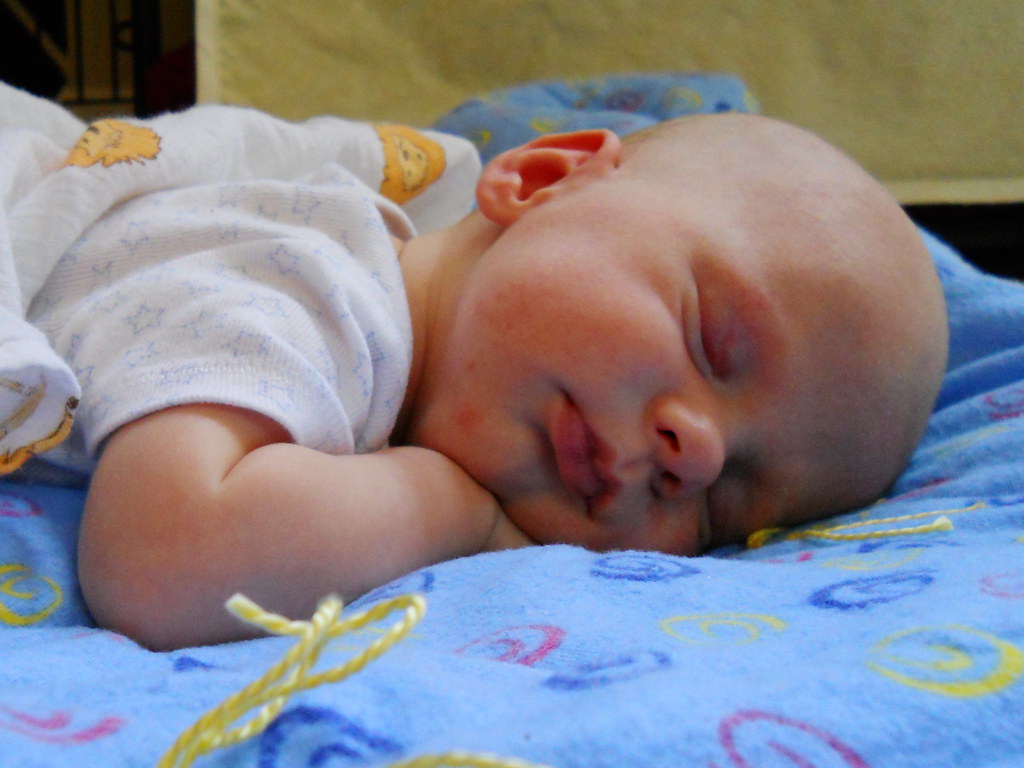
RALEIGH, More than half of adults in Wake County report getting fewer than seven hours of sleep a night, according to the 2025 Wake County Community Health Needs Assessment, a figure that has risen 12 percent since the survey was last conducted in 2021. The decline cuts across age groups, income brackets and neighborhoods, from the new high-rises along Fayetteville Street to the quiet cul-de-sacs of North Raleigh.
The reasons are familiar but compounding. Blue-light exposure from phones and laptops lingers long after sunset. Noise from construction, traffic and neighbors seeps through windows. And the local obsession with early-morning fitness, think 5:30 a.m. classes at the YMCA on Hillsborough Street or group runs from Raleigh Running Outfitters on Strickland Road, often leaves people sacrificing sleep to squeeze in a workout before work.
Where the Night Falls Apart
Two local programs are trying to change the equation. At the UNC REX Healthcare Sleep Lab on Lake Boone Trail, sleep specialist Dr. Sarah Mitchell (who asked that her full title not be used because she is a private practitioner) has seen appointments double since 2022, the clinic’s scheduling manager confirmed. The lab offers overnight polysomnography, cognitive behavioral therapy for insomnia and referrals for CPAP machines, but demand is outpacing capacity. Wait times for a first consultation now stretch six to eight weeks, according to the lab’s front desk staff.
Meanwhile, the Raleigh Parks and Recreation Department launched “Wind Down Wednesdays” this spring at the Pullen Park community center. The free weekly program runs from 7:30 to 8:15 p.m. and teaches breathwork, progressive muscle relaxation and bedroom hygiene. A department spokesperson said average attendance was 22 people per session, with a wait list for the June series. The city is now considering adding a second location at the John Chavis Memorial Park community center on Martin Luther King Jr. Boulevard.
A 2023 study published in the journal Sleep Health analyzed the sleep habits of 1,800 Raleigh-area residents and found that those who used screens in the hour before bed reported an average of 23 minutes less total sleep than those who did not. The lead author, a professor at NC State University’s Department of Psychology, noted that the effect was strongest among adults ages 25 to 44, the same demographic that fills Raleigh’s breweries, co-working spaces and late-night taco joints.
What Actually Works (and What Doesn’t)
The evidence is clear that quick fixes, melatonin gummies, weighted blankets, sleep podcasts, have limited impact on chronic short sleep. The American Academy of Sleep Medicine recommends a consistent bedtime and wake time even on weekends, no caffeine after 2 p.m., and exposure to bright light within 30 minutes of waking to help reset the circadian clock. Dr. Robert Sanders, a Raleigh-based family physician who practices at the UNC Health complex at 2800 Blue Ridge Road, tells patients to treat sleep like any other appointment: put it on the calendar, don’t overbook it, and guard it from the rest of the day’s demands.
What happens next in Raleigh depends partly on city planning. The 2026 Raleigh Comprehensive Plan update, currently in draft form, includes a proposal to limit late-night noise permits near residential zones and to require sound-mitigation materials in new multifamily construction. The city council is expected to vote on the plan in September. If it passes, it would be one of the first municipal codes in the Southeast to explicitly tie zoning rules to sleep health.
For now, the simplest advice may come from Raleigh’s own parks. The Pullen Park program teaches one trick with particular local resonance: take a walk around the lake at sunset, leave the phone in the car, and let the light fade naturally. It’s free, it’s quiet, and it’s available every night of the week, no membership required.