property
How Much Rent Is Too Much? The 30% Rule in Practice
Raleigh households test the longstanding income benchmark as local rents climb against stagnant wage growth in key neighborhoods.
How we reported this
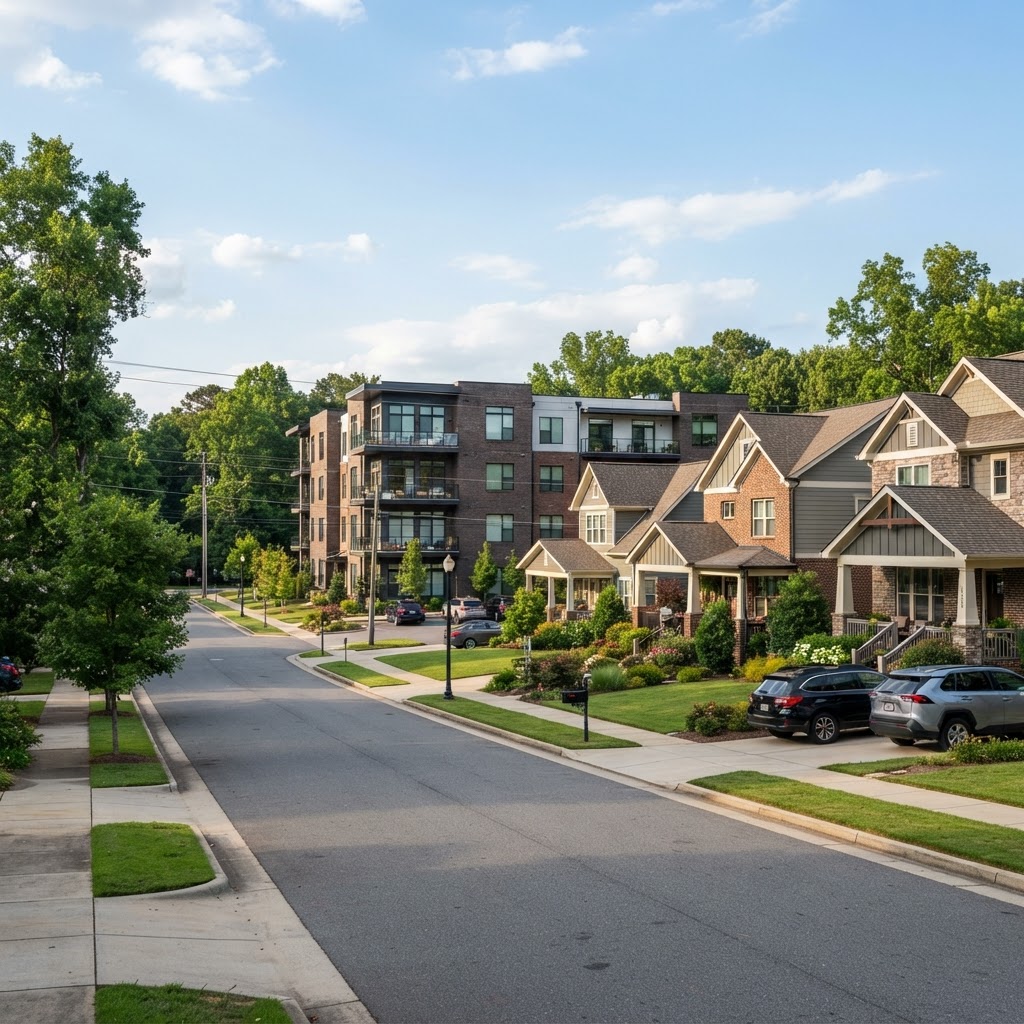
More than 42 percent of renter households in Wake County now devote at least 30 percent of gross income to rent, according to June 2026 figures from the city planning department.
The threshold matters now because Raleigh area median rents rose 9 percent between mid-2025 and spring 2026 while average hourly wages in professional services increased only 3 percent over the same stretch.
Neighborhood pressures
Tenants on Hillsborough Street near North Carolina State University report one-bedroom units listed at $1,850 this summer, up from $1,650 a year earlier. Similar listings in the Mordecai district average $1,950, and property managers at complexes near Cameron Village say waitlists have lengthened to eight weeks. Local programs such as the Wake County Housing Affordability Task Force have tracked these shifts through quarterly rent surveys that include direct outreach to landlords along Glenwood South.
A separate April 2026 dataset compiled by the Triangle Apartment Association placed the citywide median asking rent at $1,920 for a one-bedroom unit. For a household earning the Raleigh-Wake median income of $74,800, the 30 percent line sits at $1,870. That leaves little margin once utilities and transportation costs on routes such as the GoTriangle bus lines are added.
Next steps for households
Prospective renters can run their own numbers against current listings on sites used by local agents and compare them with salary data posted by the Wake County economic development office. Those already above the line have begun contacting the Raleigh Housing Authority for Section 8 waitlist updates and exploring shared housing arrangements in Boylan Heights to stay under the benchmark.
This article is general information only and is not personal financial or investment advice. Consider your own circumstances and seek licensed professional advice before making financial decisions.